
Innovations in Medical Transport: The Role of AI in Ambulance Operations
When that frantic 911 call comes in, every second matters. Yet ambulances wrestle with snarled traffic, tricky dispatch, and mechanical hiccups. The pressure’s on for lightning-fast, dependable care. But some old-school systems? They’re like running a race with one leg tied.
Medical transport is overdue for a serious upgrade. Ambulance demand is surging, costs are through the roof, and patients and families expect top-tier service – and rightly so. So, what’s the secret sauce?
Enter AI and smart fleet towing management. Forget buzzwords; these are game-changing tools that can revolutionize medical transport and save lives. Let’s dive into how these advancements are reshaping ambulance operations, paving the way for a smarter, more reliable emergency medical future.
Evolving Challenges in Ambulance Operations
Today’s ambulance services face a whirlwind of challenges. Skyrocketing call volumes, including more non-emergency transport requests, stretch resources thin and add precious seconds to response times. According to the CDC, emergency visits related to non-emergency conditions have steadily increased over the past decade, putting strain on ambulance services.
City traffic is a daily nightmare, turning speedy trips into agonizing delays—potentially fatal ones. Road closures and construction add to wasted fuel, beat-up vehicles, and stressed crews. The Texas Transportation Institute estimates traffic congestion costs the U.S. billions annually in wasted fuel and lost productivity.
Dispatchers are under insane pressure to assess situations fast, assign resources wisely, and guide crews. A 2022 National Emergency Number Association (NENA) report highlights growing dispatcher burnout due to long hours, high stress, and inadequate staffing.
Reliable operations are everything. Ambulances aren’t just vehicles; they’re mobile emergency rooms. A surprise breakdown can throw everything into chaos, leaving communities vulnerable. That stresses the need for effective fleet management to keep ambulances ready to roll.
Smarter Routing and Dispatch with AI
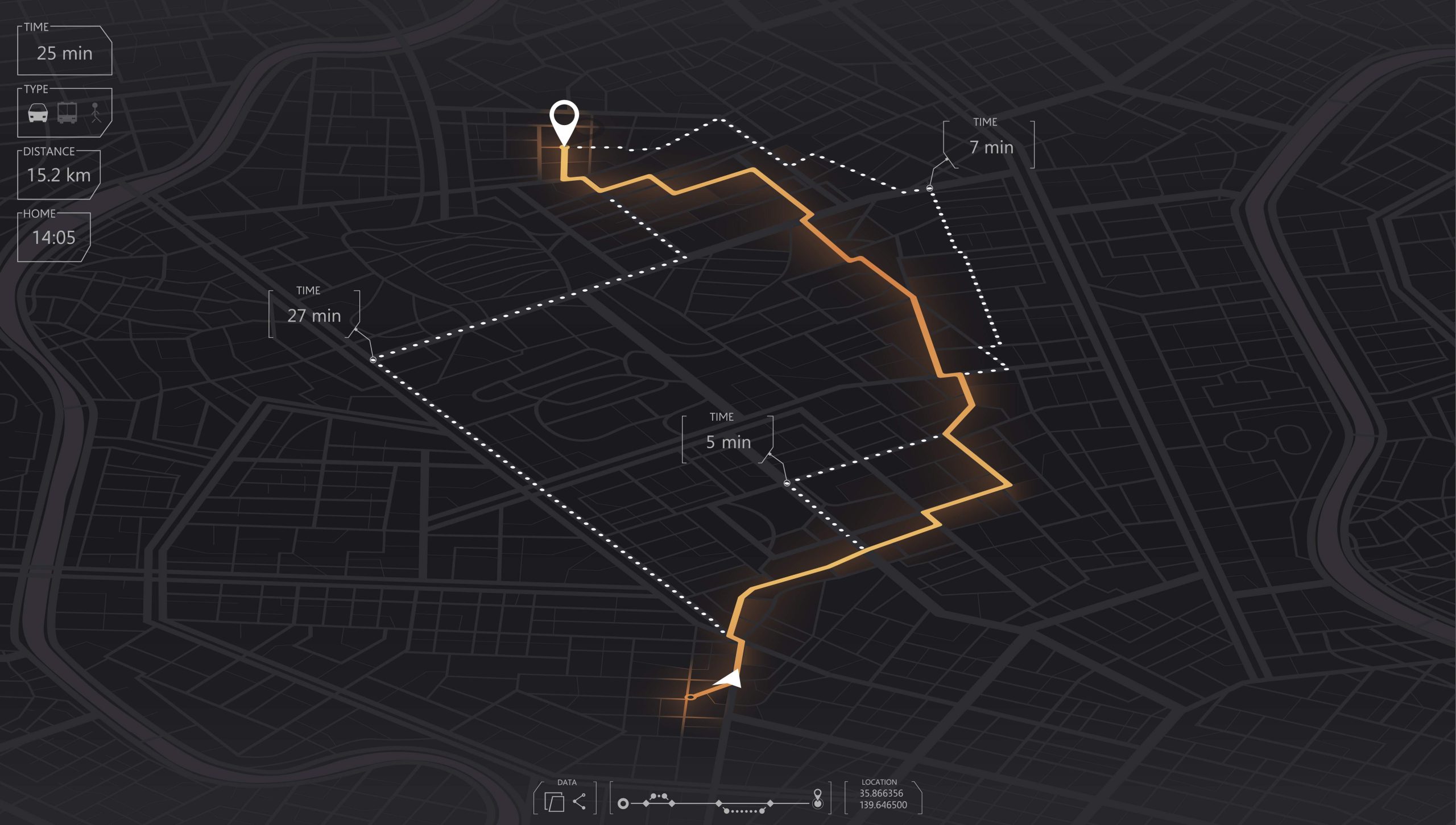
Imagine ambulances effortlessly gliding through traffic, instantly finding the fastest route to patients. AI algorithms crunch real-time data—traffic snarls, weather, road closures, even historical incident info—to dynamically dodge bottlenecks. Think of Google Maps on steroids.
The payoffs are obvious. Faster pickups mean quicker medical attention, potentially saving lives. Speedier hospital drop-offs free ambulances for the next call. Fewer delays save fuel and reduce operating costs. A study in the Journal of Emergency Medical Services suggests AI routing could slash response times by up to 20%.
AI acts as a dispatcher’s super-powered sidekick, offering data-driven insights for smarter resource allocation. It instantly suggests the optimal route and identifies the closest, best-equipped ambulance. During rush hour, it can recommend a slightly longer path that avoids jams or alert dispatchers to bottlenecks before ambulances get stuck. These small tweaks add up to big gains in efficiency and patient care.
Fleet Towing Management: Keeping Vehicles on the Road
Ambulances are the lifeline of emergency services. Effective fleet towing management, combined with AI, slashes downtime and keeps vehicles ready.
This is about proactive care, diagnostics, and rapid roadside support. Integrated AI systems track real-time vehicle health—engine temperature, brake wear, and more. Telematics combined with AI flags potential maintenance needs before they become problems.
This allows for scheduled preventative maintenance, avoiding costly repairs and downtime. If breakdowns happen, quick roadside help is essential. Fleet towing management can dispatch tow trucks or mobile mechanics fast, reducing disruptions. Companies like AAA provide specialized roadside assistance for ambulances.
AI can even predict maintenance based on mileage and usage, preventing breakdown towing and saving costs. This proactive, data-driven approach keeps fleets rolling smoothly.
Enhancing Safety and Communication
AI and fleet management improve safety for ambulance crews and communication with patients.
AI-powered systems monitor driver behavior—fatigue, speeding, hard braking, sudden lane changes—to promote safety and a better patient experience. The National Highway Traffic Safety Administration (NHTSA) identifies drowsy driving as a key factor in accidents; AI helps minimize these risks.
Driver training benefits from this data too, allowing services to target areas for improvement and reinforce safe habits.
What’s often overlooked? Keeping families informed. Modern ambulance systems offer live location and ETA updates through secure apps or portals. This transparency eases anxiety and builds trust. Automated notifications can alert family members to delays, preventing panicked calls. The American Ambulance Association (AAA) reports families receiving real-time updates have higher satisfaction with EMS.
Cost Savings and Community Benefits
AI-powered ambulance operations do more than speed response and improve safety—they cut costs.
Smarter routes reduce fuel consumption, a major expense. Predictive maintenance lowers breakdown risks and extends vehicle lifespans. The American Public Transportation Association (APTA) found predictive maintenance programs can reduce maintenance costs by up to 30%.
These savings free funds for better equipment, training, and patient care. Improved service builds community trust, essential for effective emergency systems.
Looking Ahead
AI and fleet towing management are the future of medical transport, not just trends.
Expect advanced tech like predictive analytics and automated scheduling to further boost efficiency and save money.